Understanding Roblox: Benefits, Risks, and Responsible Use
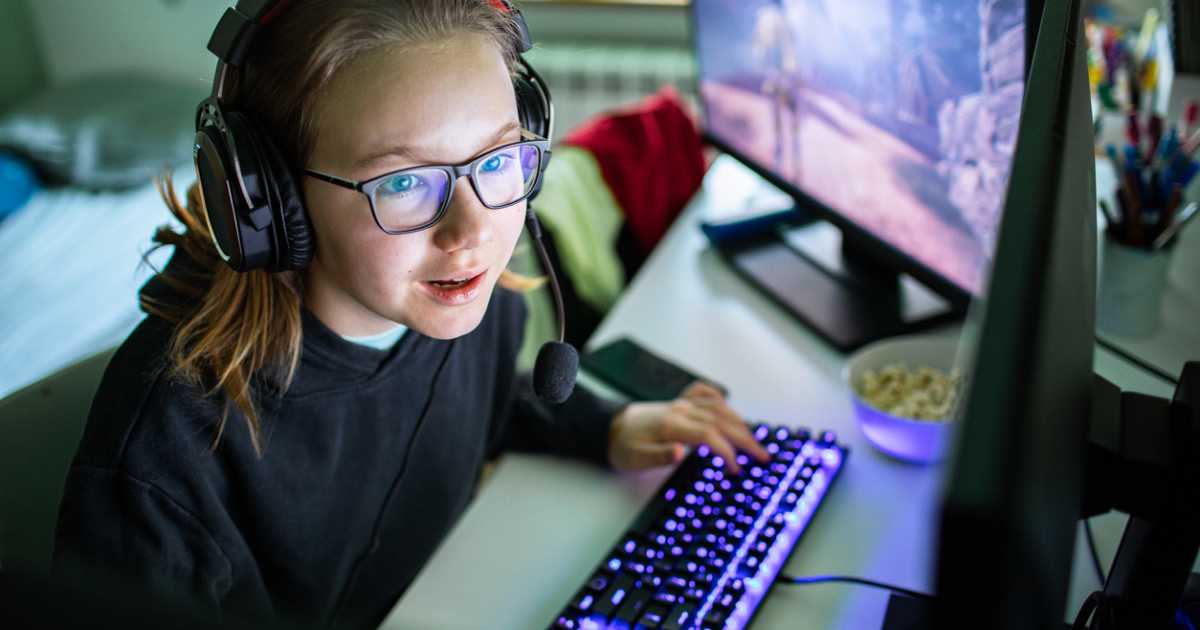
Why Roblox Has Become a Defining Parenting Conversation
Few digital platforms have generated as much discussion among parents in recent years as Roblox. Depending on whom you ask, it is either a creative playground that nurtures valuable skills or a concerning online space filled with risks that children may not be prepared to navigate. The reality, as is often the case with children’s technology, lies somewhere in between.
As childhood increasingly extends into digital spaces, Roblox presents parents with an opportunity to look beyond the simple question of whether children should use it. A more meaningful question is how children can engage with platforms like Roblox safely, responsibly, and in ways that support their development rather than undermine it.
More Than a Game: Understanding What Roblox Really Is
Roblox is often described as a game, but that description only tells part of the story. It is better understood as a digital platform where users can play, create, share, and interact through millions of user-generated experiences. Children can explore virtual worlds, build games, customize avatars, solve challenges, and connect with other players from around the globe.
What makes Roblox particularly relevant today is that it brings together multiple aspects of modern childhood in one place. It functions as a gaming platform, a creative tool, a social space, and a digital marketplace simultaneously. For many children, Roblox is not merely something they play—it is a place where they spend time with friends, express their creativity, and participate in online communities.
An important aspect for parents to understand is that Roblox hosts millions of experiences created by different developers. Because content is user-generated, experiences can vary widely in themes, gameplay styles, and levels of maturity. Roblox has introduced content labels and age recommendations to help families make informed decisions, but parental involvement remains essential when deciding what experiences are appropriate for a child.
This unique blend of entertainment, creativity, and social interaction is precisely what makes Roblox both appealing and controversial.
Why Children Find Roblox So Engaging
To understand Roblox, it is important to understand what children see in it.
Unlike traditional games that follow a fixed storyline, Roblox offers freedom and choice. One day, a child might be designing a virtual home; the next, they could be solving mysteries, running a restaurant, competing in races, or creating an entirely new game from scratch. The possibilities feel limitless.
From a child’s perspective, Roblox provides something many structured activities cannot: autonomy. It allows children to make decisions, pursue their interests, experiment creatively, and shape their own experiences. In many ways, it shifts them from being passive consumers of entertainment to active creators and participants.
The platform also serves an important social function. Just as previous generations gathered in playgrounds, parks, or neighborhood streets, today’s children increasingly connect in digital environments. For many, Roblox represents friendship, collaboration, and shared experiences as much as it represents gaming.
The Opportunities: What Roblox Can Offer Children
Amid discussions about online safety, it is easy to overlook the legitimate benefits Roblox can provide.
One of its greatest strengths is its ability to foster creativity. Children are not limited to consuming content created by others; they can build, design, and experiment with their own ideas. For some, this becomes an introduction to coding, game development, storytelling, and digital design.
Roblox can also encourage collaboration and problem-solving. Many experiences require teamwork, communication, planning, and negotiation. Through these interactions, children often develop social and interpersonal skills that extend beyond the screen.
Perhaps most importantly, platforms like Roblox contribute to digital literacy. As technology becomes increasingly embedded in education, work, and daily life, children need opportunities to understand how digital spaces function. With appropriate guidance, Roblox can become one of many environments where those skills begin to develop.
For older children and teenagers, Roblox can even spark interest in technology-related careers. Some users learn basic programming, game design principles, digital entrepreneurship, and creative problem-solving through the platform’s development tools.
The Challenges: Understanding the Risks and Concerns
At the same time, Roblox presents challenges that parents should approach with awareness and intention.
The platform’s greatest strength—its openness—is also the source of many concerns. Because much of the content is user-generated, experiences can vary significantly in quality, appropriateness, and oversight. Parents may believe their child is simply playing a game when they are actually participating in a complex online ecosystem.
One of the most significant concerns involves interactions with strangers. While many interactions are harmless, Roblox includes communication features that can expose children to people they do not know. As with any online platform that enables social interaction, risks such as inappropriate conversations, manipulation, grooming attempts, and cyberbullying cannot be entirely eliminated.
Parents should also be aware of the platform’s monetization system. Roblox uses a virtual currency called Robux, which can create pressure to purchase items, upgrades, and cosmetic features. For younger users, distinguishing between digital wants and genuine needs can be difficult, particularly in environments designed to encourage engagement and spending.
Another consideration is advertising and promotional content. Some experiences may include branded content, virtual items, or incentives that encourage spending. Helping children understand digital marketing and in-game purchases can support healthier decision-making.
Screen-time management is another common challenge. The combination of endless content, social interaction, rewards, and personalization can make Roblox highly engaging, making it difficult for some children to disconnect and transition to offline activities.
Understanding Roblox’s Safety Features and Parental Controls
One aspect that often gets overlooked in discussions about Roblox is the range of safety tools available to families.
Roblox provides parental controls that allow parents to manage account settings, monitor certain activities, and tailor the experience based on a child’s age and maturity level. Parents can review and adjust communication settings, manage spending permissions, and use content maturity settings to help limit access to experiences that may not be suitable for younger users.
The platform also offers account restrictions, reporting tools, and moderation systems designed to identify and remove inappropriate content or behavior. While these tools can help reduce risks, they are most effective when combined with active parental involvement and ongoing conversations about online safety.
Parents should take time to explore these settings with their children rather than relying solely on default configurations. Understanding how the platform works can make it easier to create a safer and more age-appropriate experience.
Seeing Both Sides: The Parent’s Perspective and the Child’s Experience
Many family conflicts around Roblox arise because parents and children often view the platform through very different lenses.
Parents tend to focus on safety, privacy, screen time, spending, and potential risks. Children, meanwhile, focus on creativity, entertainment, friendships, and the sense of freedom the platform provides.
Neither perspective is entirely wrong.
When parents dismiss Roblox as “just another game,” they may unintentionally overlook its significance in their child’s social and creative life. Conversely, when children focus only on the enjoyable aspects, they may not fully understand the risks that concern adults.
The most productive conversations occur when families acknowledge both perspectives. Roblox can be enjoyable and beneficial while still requiring thoughtful supervision and clear boundaries.
What Parents Should Realistically Expect
Approaching Roblox with realistic expectations is essential.
No parental control system can guarantee complete safety, and no platform can remove every risk. At the same time, banning access altogether does not automatically teach digital responsibility or critical thinking.
Parents should expect ongoing conversations about privacy, online behavior, spending habits, and screen-time boundaries. They should expect their children to seek greater independence as they mature and to encounter situations that require guidance and discussion.
It is also important to recognize that children’s online experiences evolve over time. The settings and boundaries that work for a younger child may need adjustment as they grow older and demonstrate greater responsibility.
Digital safety is not a one-time lesson delivered during a single conversation. It is an ongoing process that evolves alongside a child’s development and online experiences.
Building Healthy and Responsible Roblox Habits
The most effective approach is neither unrestricted access nor constant surveillance. Instead, it is guided participation.
Children benefit when parents show genuine interest in what they are playing, ask questions, and remain engaged without becoming overly intrusive. A child who feels comfortable discussing online experiences is far more likely to seek help when something feels wrong.
Families should establish clear expectations regarding screen time, spending, communication with strangers, and respectful online behavior. Equally important is helping children understand the reasoning behind these boundaries so they view them as safeguards rather than punishments.
Parents should also actively teach digital awareness. Children need to understand that not everyone online is who they claim to be, that personal information should remain private, and that any interaction that feels uncomfortable should be reported immediately to a trusted adult.
A practical step is to create Roblox accounts together and review privacy, communication, and spending settings as a family. This not only improves safety but also opens the door to meaningful conversations about responsible online participation.
The ultimate goal is not simply rule-following but the development of sound judgment and responsible decision-making.
Exploring Alternatives Without Chasing Perfect Safety
Many parents searching for alternatives to Roblox are really seeking greater control, predictability, or age-appropriate experiences.
Platforms such as Minecraft, Scratch, Toca Life World, LEGO Fortnite, and educational game-based learning environments can offer creativity and engagement with varying levels of social interaction and moderation. However, it is important to recognize that no digital platform is entirely free of risks.
The better question is not which platform is perfectly safe, but which one aligns best with a child’s age, maturity, interests, and ability to navigate online spaces responsibly.
Parental Takeaway: The Goal Is Guidance, Not Elimination
The conversation around Roblox reflects a much larger reality of modern parenting. Digital spaces are no longer separate from childhood—they are part of it. Whether the platform is Roblox today or another emerging technology tomorrow, children will continue to encounter online environments that blend entertainment, social interaction, creativity, and commerce.
The role of parents is not to eliminate every possible risk but to equip children with the skills, awareness, and confidence needed to navigate those risks wisely. The strongest safeguard is not a parental control setting, a monitoring app, or a screen-time rule. It is an ongoing relationship built on trust, communication, and guidance.
Roblox’s safety tools, content labels, communication controls, and parental settings can support families, but they work best when paired with active engagement. Children benefit most when parents understand the platform, stay involved in their digital lives, and encourage open dialogue about both positive and challenging online experiences.
When parents approach Roblox with curiosity rather than fear, and with involvement rather than avoidance, they create opportunities for meaningful conversations about technology, responsibility, decision-making, and digital citizenship. Those lessons will serve children far beyond Roblox itself, helping them navigate an increasingly connected world with confidence and resilience.