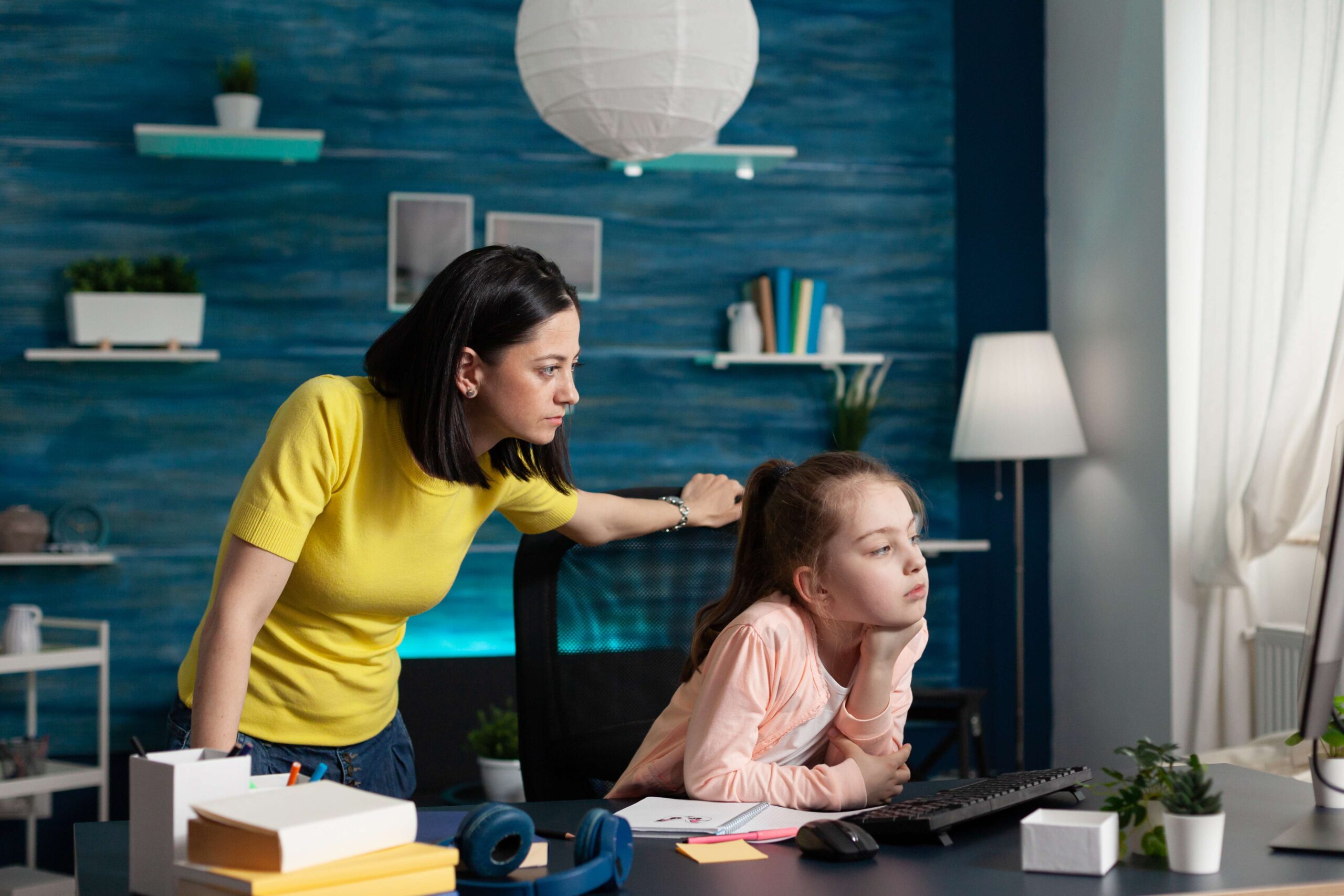
Beyond Parenthood: Learning to Relate to the Adults We Raised

We spend years preparing our children for adulthood, but how often do we prepare ourselves for the relationship that comes after? As children grow into independent individuals, parents must learn to navigate a new chapter of parenthood, one that calls for less authority, greater understanding and a different kind of connection.
Parenthood is often imagined as a lifelong journey, but much of what we understand about parenting revolves around raising children. We prepare for their first steps, first words, school years, teenage challenges, academic decisions and career aspirations. We spend years guiding them, protecting them, correcting them and helping them understand the world. But there is one transition that often receives far less attention: learning how to relate to them when they are no longer children.
What happens when the little ones we once made decisions for become adults with their own opinions, relationships, responsibilities and aspirations? What happens when they no longer need us to organise their lives, solve their everyday problems or approve every decision? Does our role as parents remain the same, or does the relationship need to evolve?
For many parents, this transition can be surprisingly difficult. They may know that their children are growing up, yet find it challenging to accept that the way they communicate, guide and participate in their lives must also change.
The truth is that parenthood does not end when children become adults. But the relationship cannot remain exactly as it was when they were growing up. The challenge is learning to move beyond the traditional roles of authority and dependence without losing the emotional connection that has been built over the years.
When the Children We Raised Become Individuals We Must Get to Know Again
For years, parents become accustomed to knowing their children’s routines, preferences, friendships, difficulties and aspirations. They are often the first people children turn to for help, and the people who make many important decisions on their behalf.
As children grow older, however, their world expands. Their experiences, education, friendships, exposure to different cultures and changing social environments begin shaping perspectives that may differ from those of their parents.
They may develop different interests, question familiar traditions, adopt different lifestyles or pursue aspirations their parents never considered.
This is a natural part of becoming an individual.
Yet, for parents, accepting these changes can sometimes feel like losing familiarity with someone they have known more closely than almost anyone else. They may wonder why their children no longer share everything, why their opinions carry less influence or why decisions that were once discussed as a family are now being made independently.
What parents need to understand is that their children are not necessarily becoming distant. They are becoming individuals with experiences and perspectives of their own.
In some ways, parents must learn to get to know their children again, not simply as the individuals they remember raising, but as the adults they are becoming.
The Emotional Adjustment Parents Rarely Talk About
While children experience the excitement and uncertainty of growing up, parents also undergo an important emotional transition.
For many, parenting has been central to their identity. Their daily schedules, personal decisions, priorities and even their sense of purpose may have revolved around their children’s needs. As children become more independent, parents may find themselves questioning where they fit into their lives.
A child who once eagerly shared every detail may now prefer to keep certain experiences private. A teenager may turn to friends for advice. A young adult may make important decisions without consulting the family. An adult child may move to another city, build a career or establish a household of their own.
These changes can leave parents feeling less involved, less needed or even uncertain about their importance.
This emotional adjustment may be more complicated than parents realise. A 2024 Pew Research Center study found that 71% of US parents with children aged 18–34 felt that their children’s successes and failures reflected on the job they had done as parents. This suggests that even when children become adults, many parents continue to see their children’s lives as closely connected to their own sense of parental responsibility and achievement.
Sometimes, this attachment can make it difficult to distinguish between caring about a child’s decisions and feeling personally responsible for the outcomes of those decisions.
Parents may respond by increasing their involvement, offering unsolicited advice or becoming disappointed when their children do not follow their suggestions. Often, these reactions come from love, concern and a genuine fear that their children may make the wrong decisions.
But parents need to recognise that their changing role does not mean their importance is diminishing.
Being needed for every decision is not the same as being loved, respected or valued. A child becoming capable of managing life independently does not make the parent’s contribution any less meaningful.
Parents, too, need opportunities to rediscover their identities beyond their children’s daily needs. Nurturing personal interests, friendships, relationships and aspirations can help them embrace this new chapter without feeling that their lives have become less significant.
When Guidance Begins to Feel Like Interference
One of the most significant changes in the relationship between parents and adult children concerns the meaning of advice.
During childhood, parental guidance is essential. Parents establish boundaries, teach values, correct mistakes and make decisions based on their experience and understanding. Children gradually learn to rely on this guidance as they navigate unfamiliar situations.
But when children become adults, the same approach may no longer be appropriate.
An adult child choosing a career, deciding where to live, managing finances, entering a relationship or making lifestyle decisions may not necessarily want parental approval. They may appreciate their parents’ experience, but still want the freedom to make the final decision.
This can be difficult for parents who genuinely believe they know what is best for their children.
However, experience does not automatically make one person’s choices right for another. Parents may have valuable wisdom, but their children’s circumstances, opportunities, priorities and challenges may be very different.
The distinction between guidance and interference often lies in whether the advice respects the other person’s ability to choose.
There is a difference between saying, “Have you considered what might happen if you choose this?” and saying, “You should not do this because I know better.”
There is also a difference between offering support when asked and repeatedly bringing up an issue after an adult child has made a decision.
Parents do not have to agree with every choice their children make. But they must recognise that disagreement does not automatically give them the right to take control.
Sometimes, the most meaningful way to remain influential in an adult child’s life is to make space for their decisions rather than insist on directing them.
What Do Adult Children Really Expect From Their Parents?
As children grow into adults, their expectations of their parents often change too.
They may no longer need help with everyday responsibilities, but they may still value emotional security, encouragement, acceptance and a sense of belonging.
What they increasingly seek is a relationship in which they can be themselves without constantly feeling evaluated.
They want their opinions to be heard, even when those opinions differ from their parents’. They want their personal choices to be respected, even when those choices are unfamiliar. They want to be able to discuss difficulties without every conversation turning into a lecture or an opportunity for comparison.
A particularly interesting finding comes from the 2024 Pew Research Center study, which surveyed 1,495 US young adults aged 18–34. While 59% described their relationship with their parents as excellent or very good, 69% said they could be their true selves with their parents all or most of the time. The study also found that 69% felt their parents were about as involved in their day-to-day lives as they wanted them to be. Only 9% considered their parents too involved, while 22% wished their parents were more involved.
These findings offer an important perspective: growing up does not necessarily mean wanting less parental involvement. It often means wanting an appropriate level of involvement that allows personal freedom while preserving emotional closeness.
Adult children may also want their parents to recognise that their experiences, interests and challenges can be different from those their parents encountered while growing up.
They may not want to share every detail, but they still want to know that their parents are interested in their lives. They may not always seek advice, but they want to feel comfortable approaching their parents when they need it.
Perhaps most importantly, they want to know that their parents’ love and acceptance are not dependent on meeting particular expectations.
An adult child who chooses an unconventional career, delays marriage, follows a different lifestyle or makes decisions that do not align with family traditions should not have to fear that the relationship will suffer because of those differences.
Of course, adult children also have a responsibility to communicate respectfully. Independence does not mean disregarding the feelings of others, and personal freedom does not eliminate the importance of consideration, honesty and mutual respect.
A healthy adult relationship requires both generations to recognise each other’s needs.
Parents Are Individuals Too: What Adult Children Need to Understand
While much of the conversation around evolving parenthood focuses on what parents must change, there is another side worth acknowledging.
Parents are not simply caregivers whose identities and emotional needs exist only in relation to their children. They are individuals with their own experiences, fears, expectations, vulnerabilities and aspirations.
They may struggle with changes they do not fully understand. They may worry about their children’s safety, feel uncertain about changing social values or find it difficult to adjust to a world that looks very different from the one in which they grew up.
Sometimes, what appears to be interference may come from an inability to express concern differently. What appears to be excessive questioning may be an attempt to remain connected. What appears to be disappointment may be the difficulty of accepting that a familiar family dynamic is changing.
Understanding these emotions does not mean adult children must accommodate every expectation or surrender their independence. It simply means that the relationship should allow room for empathy in both directions.
Adult children can help by communicating openly, including their parents in meaningful parts of their lives, acknowledging their experiences and recognising that parents, too, are learning how to navigate this transition.
A simple conversation, a willingness to explain a decision or an occasional invitation to share an experience can help parents feel connected without compromising personal boundaries.
The relationship becomes healthier when neither generation expects the other to understand everything automatically.
Learning to Relate as Two Generations, Not Just Parent and Child
One of the most meaningful opportunities that comes with children growing up is the possibility of developing a relationship that is increasingly based on mutual understanding.
Parents bring years of experience, perspective and life lessons. Adult children bring new ideas, contemporary experiences and ways of looking at the world that their parents may not have encountered.
This exchange need not become a competition between generations.
Parents do not have to abandon their values to understand their children’s perspectives. Similarly, children do not have to dismiss their parents’ experiences to establish their own identities.
A parent can learn about changing technology, relationships, work cultures and social expectations from a child without feeling that their own knowledge has become irrelevant. A child can appreciate the wisdom behind a parent’s advice without feeling obligated to follow every suggestion.
Both generations can benefit from conversations in which listening is more important than winning an argument.
Research published in the Journal of Marriage and Family by scholars examining relationships between parents and adult children has found that tensions can arise even within otherwise meaningful family relationships. In one study involving 158 families and 474 individuals, researchers found that tensions concerning the relationship itself were associated with lower emotional solidarity and greater ambivalence between parents and adult children.
Ambivalence in this context refers to experiencing positive and negative feelings towards the same relationship. An adult child may love and appreciate a parent while feeling frustrated by their expectations. A parent may feel proud of an independent child while simultaneously struggling with the child’s decisions.
This is an important reminder that disagreement does not necessarily mean a relationship is unhealthy. However, when disagreements repeatedly become personal, dismissive or controlling, they can gradually affect emotional closeness.
The objective should not be to eliminate every difference of opinion but to ensure that differences do not undermine mutual respect.
When both generations become willing to learn from one another, the relationship can move beyond traditional authority without losing its affection or respect.
Building a Relationship That Allows Both to Grow
A healthy relationship between parents and adult children does not happen automatically when children reach a particular age. It requires adjustments from both sides.
Parents can begin by recognising that their adult children’s decisions are not always invitations for approval or correction. Asking whether advice is wanted before offering it can make conversations more comfortable. Respecting privacy, avoiding unnecessary comparisons and accepting differences in lifestyle or aspirations can also help establish trust.
Equally, parents should not feel that they must remain silent about everything. They can express concerns, share experiences and communicate boundaries, particularly when decisions affect the wider family. The important consideration is how these conversations take place.
Adult children, in turn, can recognise that parents may need time to adjust to changing expectations. Communicating decisions thoughtfully, making space for conversations and acknowledging parental concerns can help maintain closeness.
Both generations should also understand that relationships require effort beyond discussions about responsibilities, problems and decisions. Spending time together, sharing everyday experiences, celebrating achievements and creating new memories can help the relationship develop naturally.
Most importantly, disagreements should not become measures of affection or loyalty. Parents and adult children can have different opinions and still maintain a strong relationship.
Mutual respect does not require constant agreement. It requires the willingness to understand one another even when agreement is not possible.
Parenthood Does Not End. It Finds a New Meaning.
Perhaps one of the most important things parents need to understand is that growing children do not need them in the same way forever. And that is not a failure of parenting. It is part of its purpose.
The little child who once needed help with almost everything may become an adult who manages life independently. The teenager who once sought constant reassurance may become someone who makes difficult decisions with confidence. The young adult who once looked to parents for direction may eventually become a source of perspective and support for them.
Through all these changes, the relationship has the opportunity to become something different.
Parents may no longer be the people who make every decision, solve every problem or determine the direction of their children’s lives. But they can remain people their children trust, respect, learn from and turn to when life becomes difficult.
And children, in turn, can learn to see their parents beyond their traditional roles, recognising them as individuals who continue to grow, experience change and need understanding too.
We spend years teaching children how to grow up, but perhaps we also need to learn how to grow alongside them.
The ultimate achievement of parenthood is not to remain indispensable in our children’s lives, but to build a relationship in which neither generation has to lose itself to remain connected to the other.