Blog

Bullying in Schools: Unveiling the Realities and Solutions

Bullying in schools refers to repeated aggressive behavior, typically involving a power imbalance, where one or more individuals intentionally cause harm, discomfort, or fear to another student.
Understanding Bullying: Effects and Strategies for Prevention
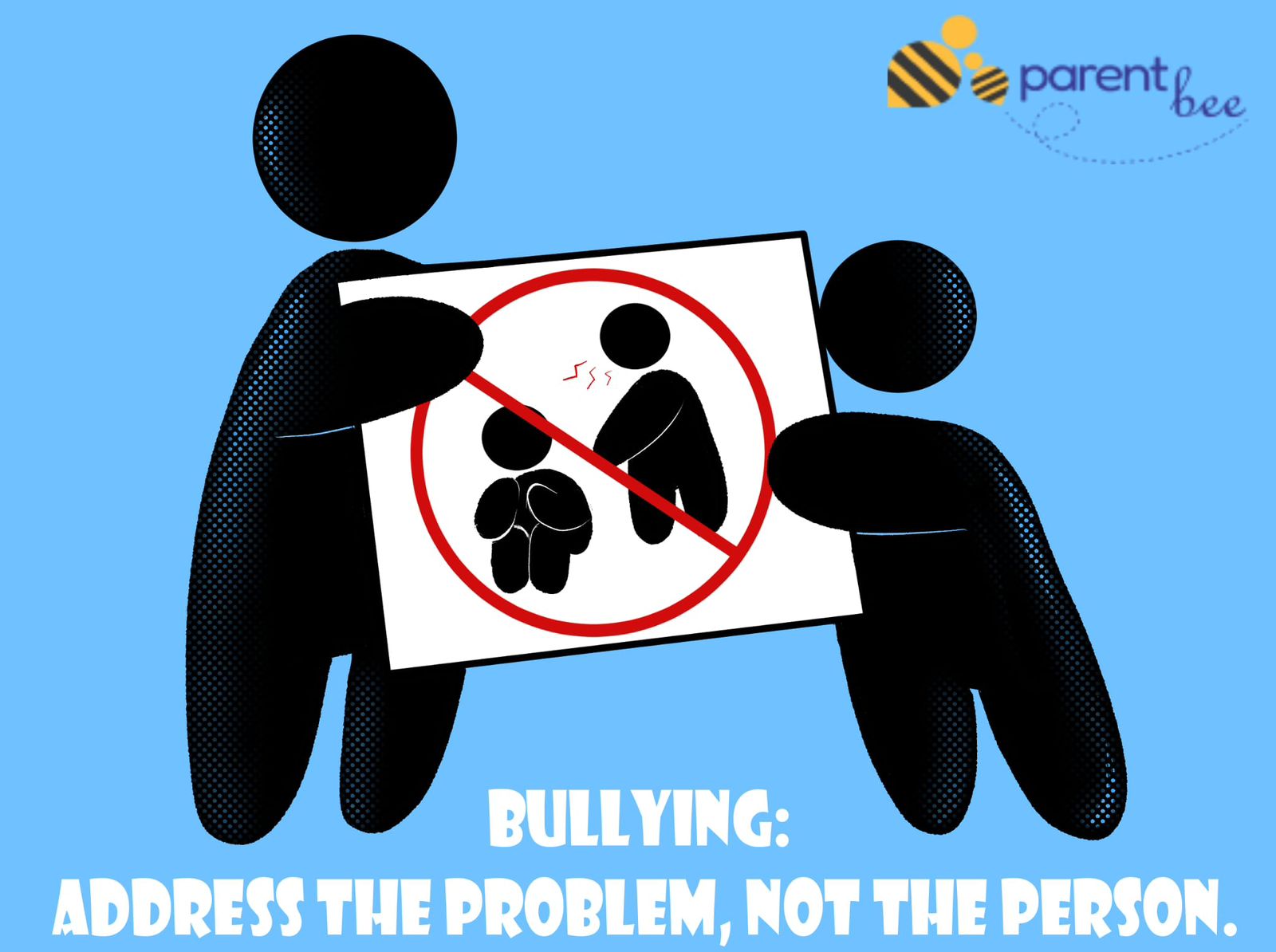
Bullying is a pervasive issue that has far-reaching consequences for both victims and perpetrators. It involves the deliberate targeting of individuals or groups through harmful actions such as verbal abuse, physical aggression, social exclusion, or cyberbullying.
Navigating Teen Issues: A Guide for Parents

Parenting teenagers can be a challenging and overwhelming experience. As our children enter adolescence, they face a range of issues that can significantly impact their lives. From academic pressures to social challenges and emotional changes, it’s essential for parents to have the tools and knowledge to effectively support their teens during this critical phase. In this blog post, we will explore some key strategies for navigating teen issues and fostering a healthy parent-teen relationship, supported by research studies.
It Takes a Village: Why Community Support Matters in Parenting
You know that old saying, “It takes a village to raise a child”? There’s a reason that phrase has stood the test of time. Parenting is a remarkable journey filled with joy, growth, and challenges. As parents, we want the best for our children and strive to provide them with love, guidance, and support. However, the truth is, raising children is not meant to be done alone. In earlier times, the whole village used to come together to support the upbringing of its children. In today’s world, our families often feel isolated, lacking the community support that can make a significant difference in the lives of both parents and children. In this blog post, we’ll explore why community support matters in parenting and how we can try to rebuild that village support system in the modern world.
Understanding and Connecting with Your Child: Building Effective Communication and Strong Relationships

Understanding a child’s mind and connecting with them is a fundamental aspect of effective parenting and building a strong relationship. While it’s not possible to read a child’s mind directly, there are various strategies and approaches that can help us better understand and connect with them.
Promoting Love and Emotional Well-Being in Your Child: Understanding and Nurturing Emotions
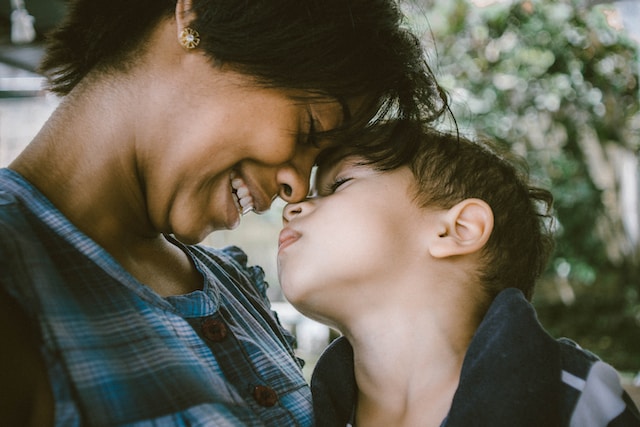
While it’s not possible to directly convert emotions into love, parents can create a loving and nurturing environment that helps children navigate and manage their emotions effectively. By fostering a positive emotional landscape, parents can contribute to their child’s emotional well-being and help them develop strong relationships. In this blog, we will explore practical tips to promote love and emotional well-being in your child, along with research studies that support the importance of positive emotions and emotional management.
Establishing Healthy Food Habits in Children Under 10: Promoting Growth, Development, and Well-Being

Establishing healthy food habits during childhood is crucial for a child’s growth, development, and overall well-being. By promoting good food habits, parents can lay the foundation for a lifetime of healthy eating. In this blog, we will provide guidelines for promoting good food habits in children under the age of 10. We will explore practical tips, supported by research studies, to ensure children receive a balanced and nutritious diet.
Teaching Children About Sexual Harassment: Empowering Personal Safety Education

Teaching a child about sexual harassment is an essential aspect of their personal safety education. It equips them with knowledge and skills to recognize and respond to inappropriate behaviors, ensuring their well-being and fostering a safe environment. In this blog, we will provide comprehensive guidelines to help parents approach this sensitive topic with their children. These guidelines will empower parents to create an open and safe environment where children can learn about body boundaries, consent, and how to protect themselves from sexual harassment.
Understanding Childhood Emotions: Why Children are More Emotional than Adults

Children are often more emotional than adults, and this can be a source of both joy and challenge for parents and caregivers. While it may seem perplexing at times, there are several reasons why children display heightened emotional responses. In this blog, we will explore the factors that contribute to children’s emotional intensity and provide insights into their emotional development. By understanding these reasons, parents and caregivers can better support children in navigating their emotions and fostering emotional well-being.