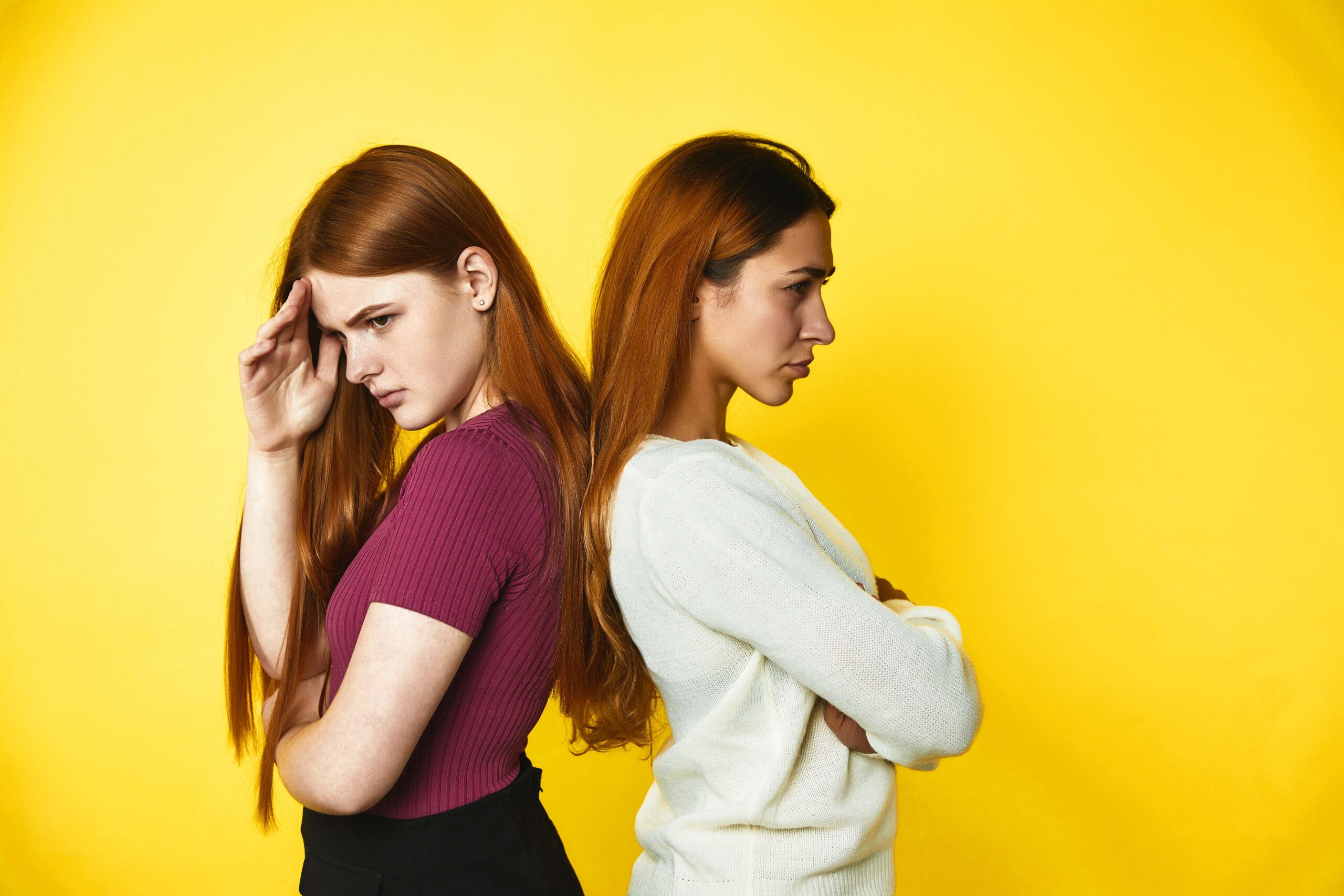
What Is “Self-Worth in Comparison Culture”?
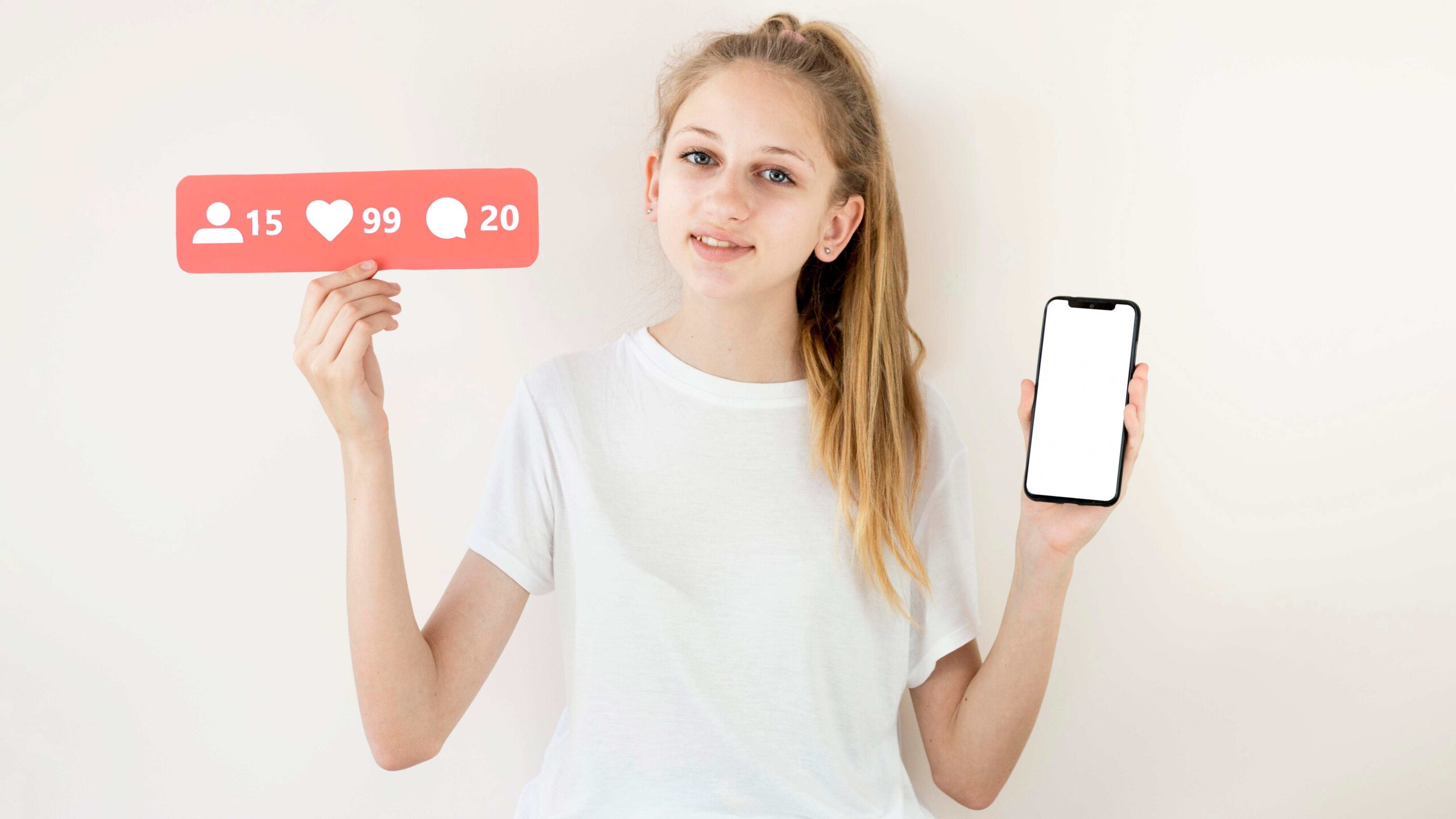
When Growing Up Started Looking Different
There was a time when childhood unfolded within the natural boundaries of a smaller, slower world. Children compared themselves to classmates sitting beside them, cousins they met during family gatherings, teammates on the field, neighbors down the street, or perhaps a few celebrities they saw on television. Comparison existed then too—it has always been a part of growing up—but it had limits. It came and went with the day, and once children returned home, those comparisons often faded into the background.
Today, those boundaries have quietly disappeared.
A child can wake up in the morning, reach for a phone before their feet even touch the floor, and within minutes be exposed to hundreds—sometimes thousands—of carefully edited faces, perfect friendships, ideal body types, academic achievements, luxury lifestyles, viral talents, and picture-perfect moments. Before breakfast, they may have already seen more people, personalities, and performances than previous generations encountered in an entire week. And somewhere in the middle of all that scrolling, watching, comparing, and consuming, something far deeper than entertainment begins to take shape.
It is their sense of self-worth.
At its core, self-worth is a child’s quiet inner belief that says, I matter. I am enough. My value does not depend on how I look, what I achieve, how popular I am, or whether others approve of me. It is the foundation on which confidence, resilience, identity, and relationships are built. But in today’s world, many children are growing up in environments that often communicate a very different message.
When Worth Starts Feeling Measurable
The digital world can subtly teach children that value is visible, measurable, and public. Without anyone explicitly saying it, they begin to absorb the idea that worth can be counted—in likes, followers, views, comments, streaks, invitations, tags, and reactions. And slowly, often without even realizing it, many children stop asking only Who am I? and begin asking something far more fragile:
How am I doing compared to everyone else?
The questions of childhood have not changed. Every child, at some point, wonders, Do I belong? Am I good enough? How do others see me? What has changed is where they are looking for those answers.
For generations, children found those answers through family conversations, friendships, school experiences, hobbies, failures, successes, and everyday relationships. Today, many are searching for those same answers through screens—through spaces where life is filtered, curated, edited, and carefully presented. They are growing up in a world where popularity is public, beauty is enhanced, success is exaggerated, and even ordinary moments are often performed for attention. And because this world is available every hour of every day, comparison is no longer something children experience occasionally. For many, it has become an environment.
When Comparison Stops Inspiring and Starts Defining
Comparison, by itself, is not always harmful. In healthy doses, it can inspire children to learn, improve, practice harder, and dream bigger. Seeing someone excel can spark ambition and curiosity. But there is a subtle moment when comparison stops being inspiring and starts becoming personal. A child moves from thinking, That’s amazing—I want to learn that, to quietly wondering, Why am I not like that?
That shift may seem small, but it can quietly shape identity.
A thirteen-year-old may post a photo, not because she loves the memory it captures, but because she wants to know how many people react to it. A teenage boy may spend hours watching fitness creators and slowly begin believing he is not strong enough, attractive enough, or confident enough. A middle-schooler may see classmates hanging out through a photo online and instantly feel forgotten—even if no one intended to exclude them. Nothing dramatic may have happened. No harsh words may have been spoken. And yet comparison has already done its work.
What makes this generation’s experience so different is scale. Previous generations compared themselves to a relatively small circle of people within their immediate world. Today’s children compare themselves to millions. Not just classmates and friends, but influencers, athletes, creators, celebrities, top students, entrepreneurs, perfectly styled families, and carefully edited strangers from around the world. And this exposure does not happen once in a while. It happens before school, between classes, after homework, during meals, before bed, and sometimes in the middle of the night. The scale of comparison has changed—and so has its emotional impact.
When Technology Quietly Shapes Identity
Perhaps even more concerning is that comparison is no longer random. It is increasingly algorithmic.
The platforms children spend time on are designed to study what captures their attention, what makes them pause, what makes them react, and what keeps them scrolling longer. Content that triggers emotion—beauty, popularity, success, status, drama—often holds attention best.
Over time, a child’s insecurities may not simply exist. They may be quietly reinforced by an endless stream of content that knows exactly what keeps them engaged. Without anyone in the family realizing it, their doubts can slowly become part of their digital diet. Parents rarely hear children say, I’m struggling with comparison. More often, it appears in quieter ways. It may sound like, I hate how I look. Nobody cares about my posts. Everyone else has better friends. I’m boring. I’m not good at anything.
Sometimes it looks like retaking the same photo over and over, deleting posts that don’t get enough attention, checking notifications every few minutes, becoming unusually withdrawn after being online, or needing constant reassurance.
What may appear as vanity, moodiness, or ordinary teenage insecurity can sometimes be something much deeper— confidence that has slowly become dependent on external validation.
The Role Parents Play in Building Worth That Lasts
This is why self-worth in comparison culture has become one of the most important conversations in modern parenting.
When children repeatedly absorb the message that attention equals value, they may begin carrying that belief far beyond childhood. They may grow into adults who struggle to feel enough unless they are being noticed, praised, chosen, admired, or validated. They may become highly capable but deeply unsure of themselves—outwardly connected, yet inwardly lonely. Constantly performing, yet quietly questioning whether they truly matter.
And this is where parents continue to hold extraordinary influence.
Self-worth is rarely built through grand speeches or perfect parenting. It is built in ordinary moments. It grows when children are noticed for who they are, not just for what they achieve or how they appear. It deepens when they hear words that affirm their courage, kindness, honesty, effort, and resilience. It strengthens when they experience competence in the real world—through sports, music, art, books, responsibilities, problem-solving, helping others, and contributing to family life.
It becomes rooted when children understand that what they see online is often filtered, staged, retaken, and carefully selected—not a complete picture of real life. And perhaps most importantly, children learn self-worth by watching the adults around them. They notice how parents speak about their own bodies, careers, homes, relationships, and successes. They notice whether moments are being lived or constantly documented. They notice whether comparison is quietly shaping the adults they look up to. Long before children listen to what parents say about confidence, they observe how confidence is lived.
Helping Children Remember Who They Are
Technology is not the enemy. Social media is not the enemy. Even comparison, in itself, is not the enemy. The real challenge of modern parenting is helping children live in a world full of noise without losing the quiet truth of who they are.
It is helping them enjoy connection without depending on validation, admire others without diminishing themselves, and participate in the world without performing for it. In a culture that constantly asks children, How many people noticed you? perhaps the most powerful message a parent can offer is this:
You mattered long before anyone clicked “like.” You mattered before the photo, before the followers, before the applause, and before the approval. And you will continue to matter—even when no one is watching.
And perhaps that is one of the greatest gifts parents can give this generation— not children who believe they are better than others, but children who grow up deeply knowing: I am enough.