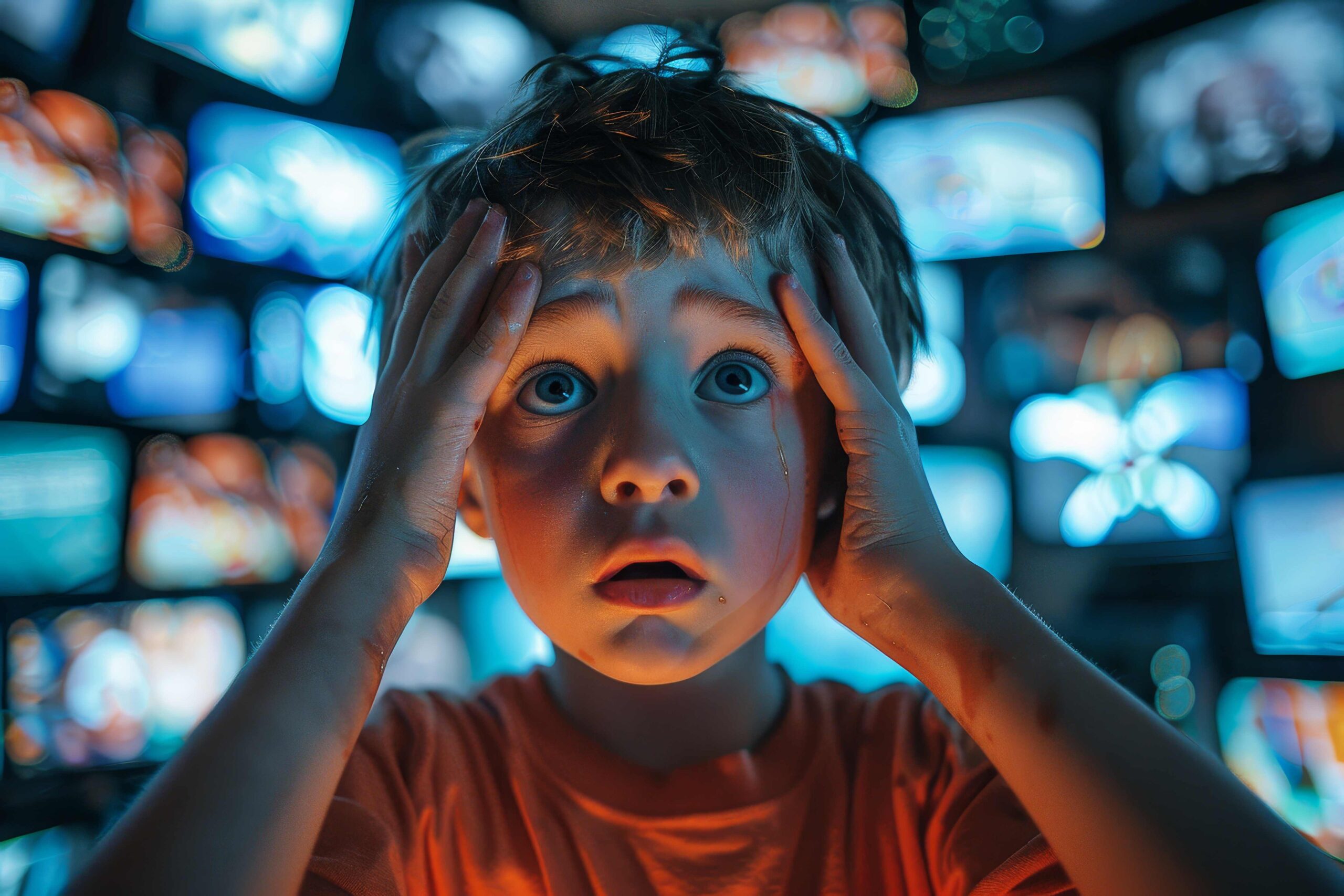
Raising Children Amid Global Uncertainty

The World Our Children Are Growing Up In
Today’s children are growing up in a world that feels far less predictable than it did for previous generations. News of wars, climate disasters, economic instability, and social unrest is no longer distant or occasional—it is constant, visible, and often unavoidable. Even young children absorb the tension in conversations around them, while older children and adolescents may encounter distressing information directly through school discussions, social media, or peers. For parents, this creates a quiet but persistent worry: how do we raise children to feel safe and hopeful when the world itself feels uncertain?
The Concerns Parents Are Facing Now
One of the most pressing concerns for parents today is the emotional weight children carry simply by being aware of global events. Many children show signs of anxiety, fear about the future, or confusion about why bad things happen. Climate change raises questions about safety and survival, wars raise fears of violence and loss, and economic uncertainty can make children worry about stability at home. Parents are also concerned about overexposure—how much information is too much, and whether shielding children protects them or leaves them unprepared.
At the same time, there is a growing fear of doing harm unintentionally. Avoiding conversations may lead children to imagine situations far worse than reality, while constant exposure can overwhelm them. Striking a balance between honesty and reassurance has become one of the most complex tasks of modern parenting.
Helping Children Understand the “Why, When, and How”
Children do not need all the details of global crises, but they do need context. Understanding the “why” behind events helps children make sense of a world that otherwise feels chaotic. Parents can explain, in age-appropriate language, that conflicts, climate changes, or economic challenges often come from long-term problems and complex decisions, not sudden or personal threats. Framing these events as part of larger systems rather than immediate dangers can reduce fear.
The “when” matters just as much. Parents can choose calm, unhurried moments to talk—rather than reacting in the middle of breaking news or emotional discussions. This allows children to ask questions without feeling rushed or alarmed. The “how” lies in listening more than speaking. When children ask questions, they are often seeking reassurance, not facts. Responding gently, acknowledging their feelings, and checking what they already believe helps correct misunderstandings without adding anxiety.
Managing the Emotional Impact on Children
Global uncertainty can affect children in subtle ways. Some may become withdrawn, irritable, or overly concerned about safety. Others may express their worries through physical symptoms such as headaches, sleep disturbances, or changes in appetite. Parents can support emotional safety by creating predictable routines, which provide a sense of control when the outside world feels unstable.
Equally important is modeling emotional regulation. When parents manage their own stress openly but calmly—acknowledging worry while showing coping strategies—children learn that fear is manageable. Simple practices such as regular family check-ins, encouraging children to express feelings through words or creative outlets, and reassuring them of their immediate safety can make a significant difference.
Protecting Mental and Physical Well-being
Ensuring children’s mental and physical health during uncertain times requires intention rather than perfection. Limiting exposure to distressing news, especially before bedtime, helps protect emotional balance. Encouraging physical activity, outdoor time, and sufficient sleep strengthens both mental resilience and physical immunity.
Mental health support should be normalized rather than reserved for crises. Teaching children that it is okay to feel scared, sad, or confused—and that support is available—builds emotional literacy. For some children, this may mean professional help; for others, it may simply mean knowing they are not alone in their feelings.
Building Hope Without Denial
One of the greatest challenges for parents is offering hope without dismissing reality. Children need to know that while the world has serious problems, there are also people working to solve them. Sharing stories of kindness, innovation, community action, and resilience helps balance difficult news. Involving children in small, meaningful actions—such as caring for the environment, helping others, or participating in community efforts—can transform helplessness into purpose.
Preparing Children for an Uncertain Future
Raising children amid global uncertainty is not about preparing them for specific disasters, but about equipping them with adaptability, empathy, and critical thinking. Teaching children how to ask questions, verify information, and think independently empowers them to navigate complexity. Emphasizing values such as compassion, responsibility, and cooperation helps them feel connected rather than isolated.
Ultimately, parents cannot control the state of the world their children inherit, but they can shape how children experience it. By offering honest conversations, emotional safety, and steady presence, parents help children grow not in fear of uncertainty, but with the confidence that they can face it—supported, informed, and resilient.