Children Who Are ‘Doing Fine’ but Struggling Inside
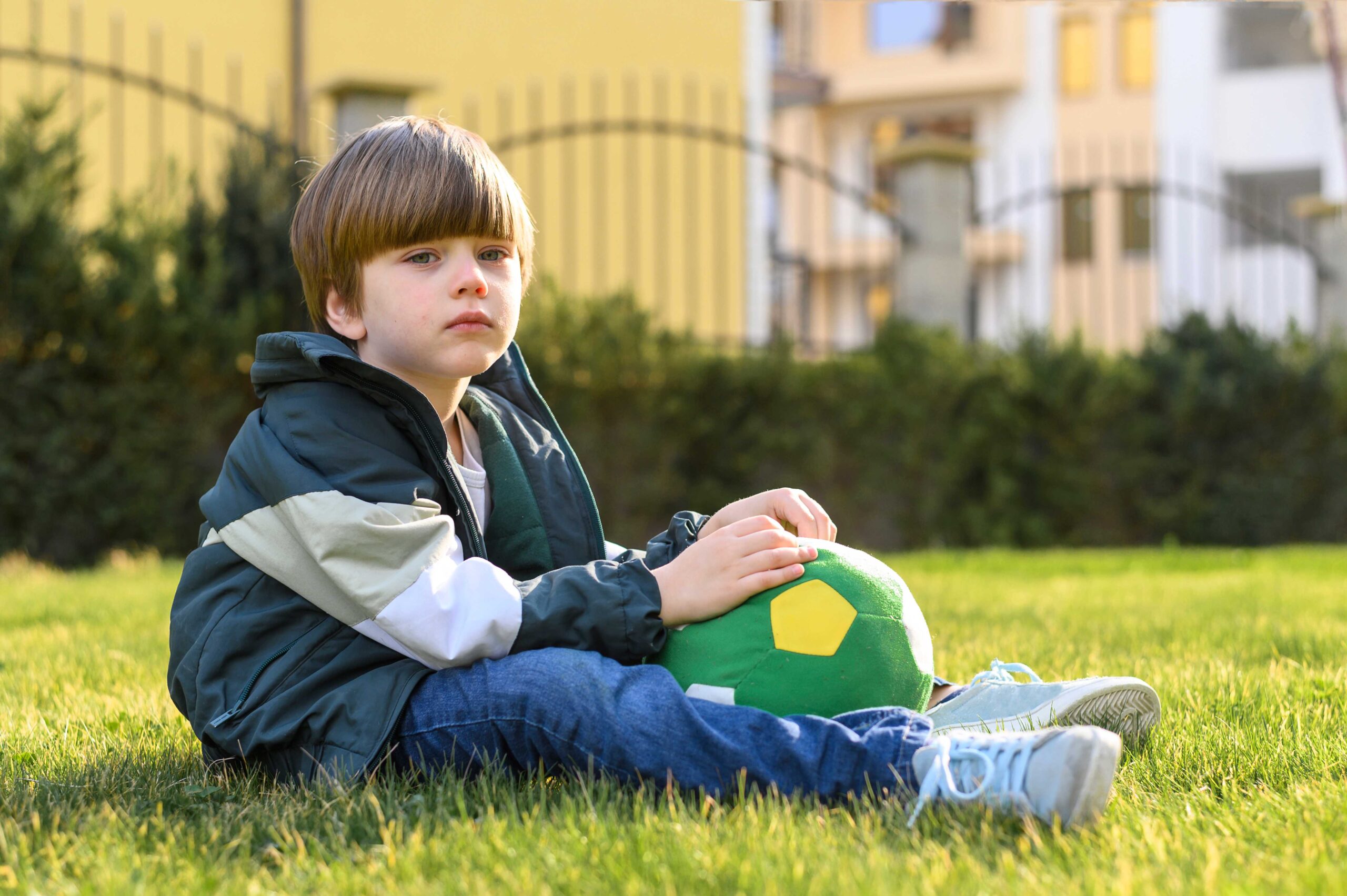
My child seems okay… but are they really?
Many children appear to be coping well on the outside. They attend school regularly, follow rules, meet expectations, and are often described as “easy,” “mature,” or “well-behaved.” Yet beneath this calm exterior, some children are carrying quiet stress, anxiety, or emotional overload. In today’s fast-paced, performance-driven world, high-functioning stress is becoming increasingly common among children—especially those who rarely cause concern.
This article explores how to recognize these hidden struggles, how to tell the difference between genuine well-being and silent distress, and how parents can respond with awareness, compassion, and support.
Why Some Children Struggle Silently
Children do not always express stress in obvious ways. Many learn early—often unintentionally—that being compliant, capable, and low-maintenance earns approval from adults. Over time, they may suppress their discomfort, believing their role is to cope quietly and not add to anyone else’s burden.
For many families in the U.S., children are navigating academic pressure, packed schedules, extracurricular demands, and constant comparison. Sensitive, perfectionistic, or highly responsible children are especially prone to internalizing stress rather than acting out, making their struggles easy to miss.
“Doing Fine” vs. Actually Doing Well
It is important to note that not every quiet or high-achieving child is struggling. Some children genuinely feel secure and supported. The difference lies not in behavior or achievement, but in emotional flexibility and expression.
Children who are truly doing well are able to experience and express a range of emotions. They feel safe asking for help, can tolerate making mistakes, and recover from setbacks with reassurance. In contrast, children who are struggling internally often appear composed but have difficulty expressing vulnerability. They may dismiss their feelings, feel intense distress over small mistakes, or seem emotionally flat once the day’s demands are over.
The Emotional World of the “Well-Behaved” Child
Children carrying high-functioning stress often share certain emotional patterns. They may place immense pressure on themselves to succeed, avoid disappointing others, or meet perceived expectations. Many are people-pleasers who prioritize others’ needs over their own, believing their worth is tied to performance or compliance.
These children often struggle to relax. Play may feel structured rather than spontaneous, and rest can be accompanied by guilt. Because these traits are frequently praised by adults, the child’s internal strain can go unnoticed for years.
What Parents Might Notice at Home
Parents are often the first to sense that something feels “off,” even when everything appears fine on paper. Subtle signs may include emotional withdrawal after school, increased irritability in safe spaces, frequent physical complaints such as headaches or stomachaches, or difficulty winding down at night.
Some children avoid conversations about their feelings altogether, responding with “I’m fine” or changing the subject. Others may appear unusually tired or mentally busy, even during downtime. These are not signs of weakness or misbehavior—they are signals that a child may be carrying more than they can express.
How Parents Can Offer Support
The most powerful support parents can provide is emotional safety. Children need to know that they are valued not for what they achieve, but for who they are. Normalizing emotions—including frustration, sadness, and stress—helps children feel less alone in their experiences.
Rather than direct or probing questions, gentle invitations to share are often more effective. Asking what felt hard about the day, or what has been on their mind lately, creates space without pressure. Modeling imperfection as a parent—acknowledging your own challenges or mistakes—also helps children understand that struggle is a normal part of being human.
Reducing pressure where possible can make a meaningful difference. This may involve reassessing schedules, expectations, or messages around success and productivity. Sometimes, slowing down is the support a child needs most.
When to Involve Additional Support
Parents do not need to navigate this alone. Teachers and school counselors can offer insight into a child’s behavior and emotional patterns in academic settings. Pediatricians can help rule out physical contributors to stress, while child therapists or psychologists can provide tools for emotional expression and coping.
Seeking support does not mean something is “wrong.” It is a proactive step that communicates care, awareness, and commitment to a child’s well-being.
Helping Children Develop Healthy Coping Skills
Children are more likely to build resilience when they feel understood rather than fixed. Supporting healthy coping involves helping them name emotions, recognize internal pressure, and understand that asking for help is a strength—not a failure.
Encouraging unstructured play, regular downtime, and simple calming practices such as movement or breathing can help children reconnect with themselves. Reinforcing effort rather than outcomes teaches children that their value does not depend on perfection.
Final Thoughts
Children who seem to be “doing fine” may still need support—and noticing that does not mean you are looking for problems. It means you are paying attention.
By looking beyond surface behavior and tuning into emotional cues, parents can offer children something deeply protective: permission to be honest about what they are carrying, and reassurance that they do not have to be strong all the time to be worthy of care.